How to Set Up a Productive Home Garden Office: Practical Tips for Working From Home
Working from home works best with the right set-up. From choosing your space and building your workstation to routines, breaks and a proper garden office, here's how to make every working day a productive one.

Whether you've recently switched to working from home or you've been working from home for a while, setting up a designated workspace is hugely beneficial.
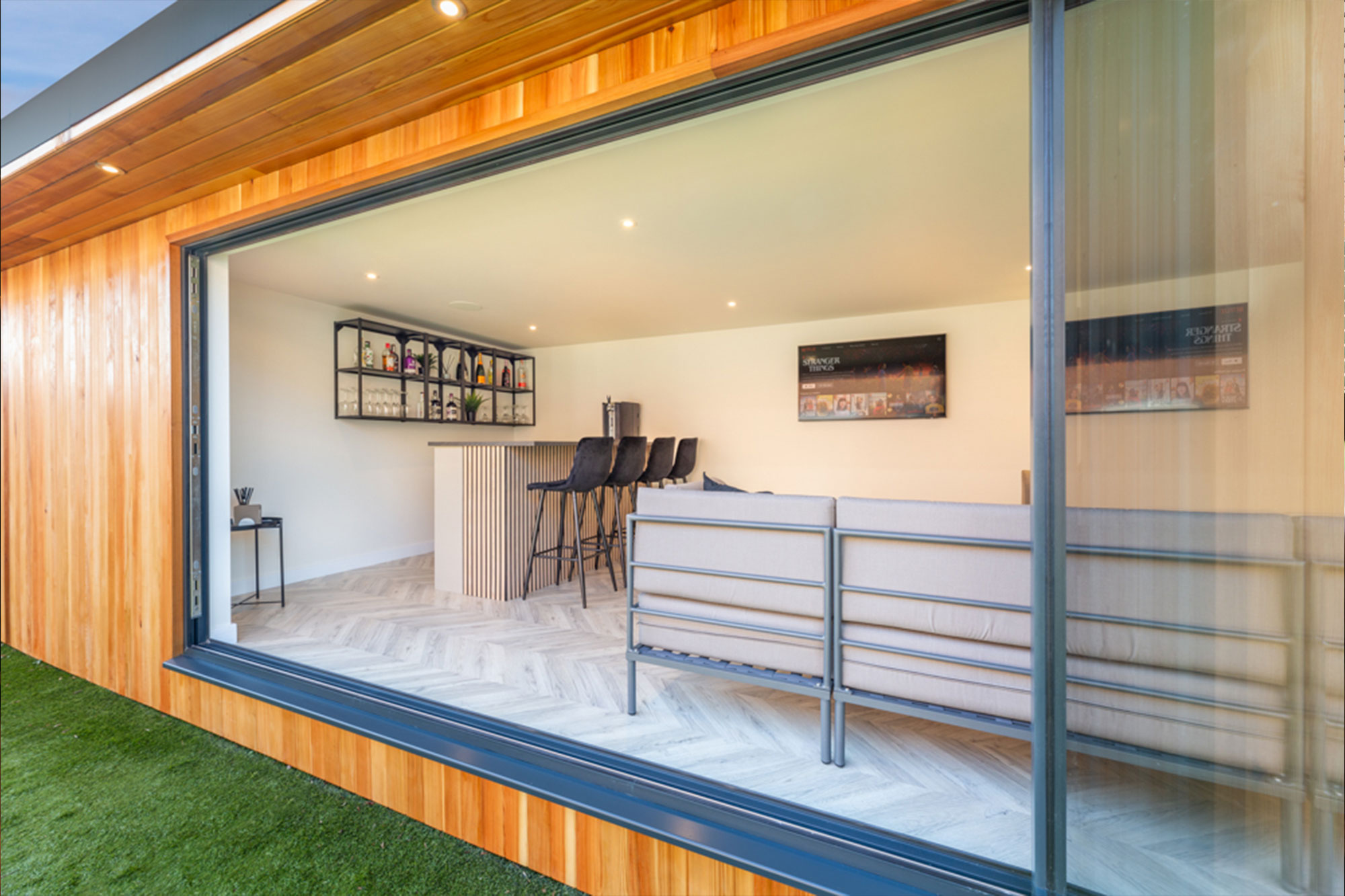
At home there are plenty of distractions that you don't get in the office, especially if you have family making noise or a Netflix subscription that's calling out your name.
Setting up a practical home office could be the key to increasing your focus and ensuring that every working day is a productive one.
✔ IN SHORT
In short: a productive home office starts with a quiet, dedicated space with a reliable internet connection, a proper ergonomic workstation and good lighting. Getting dressed, building routines and taking regular breaks keep you focused - and for long-term home working, a separate garden office makes it far easier to switch on in the morning and switch off at the end of the day.
Choose a suitable space
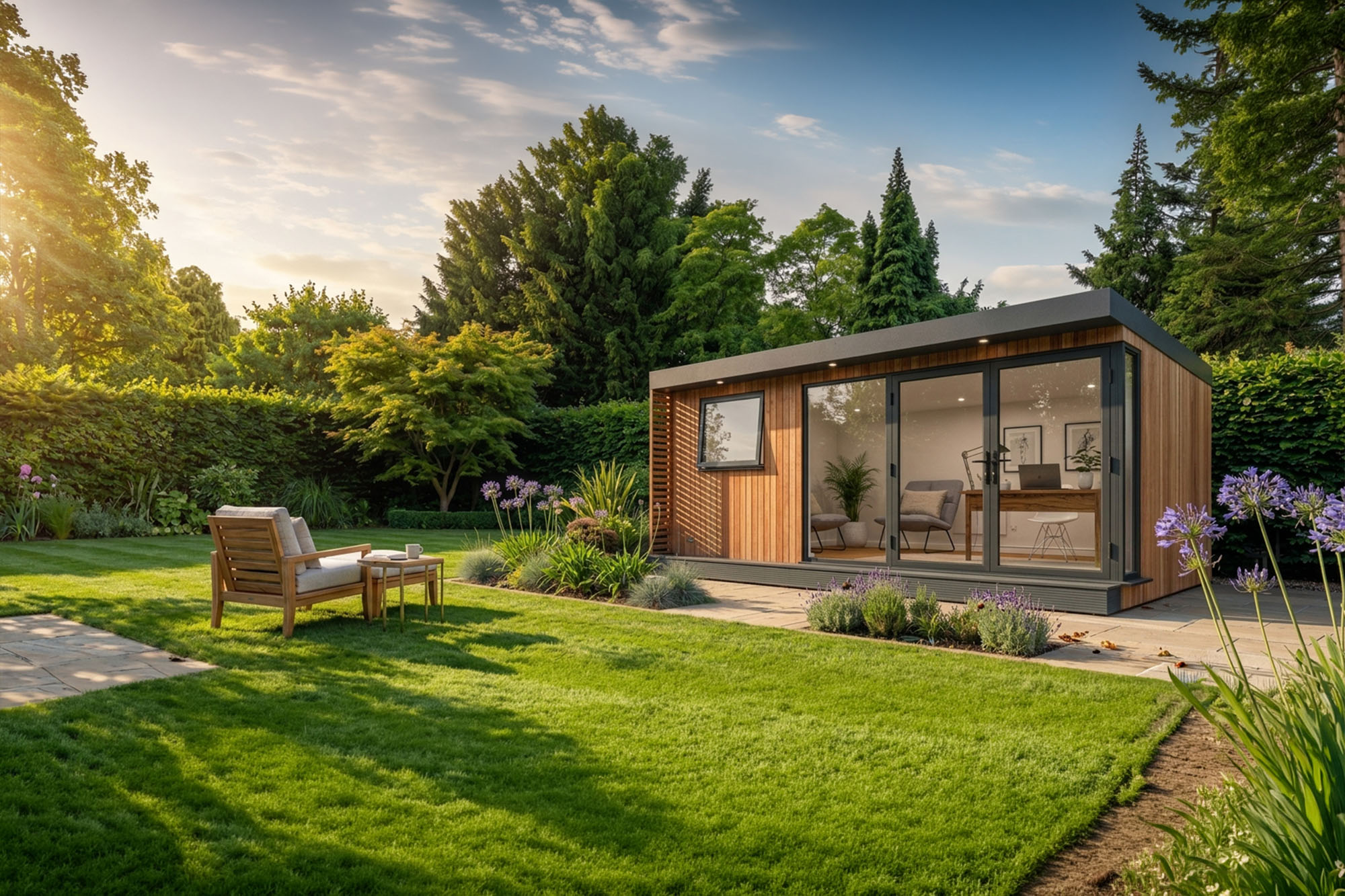
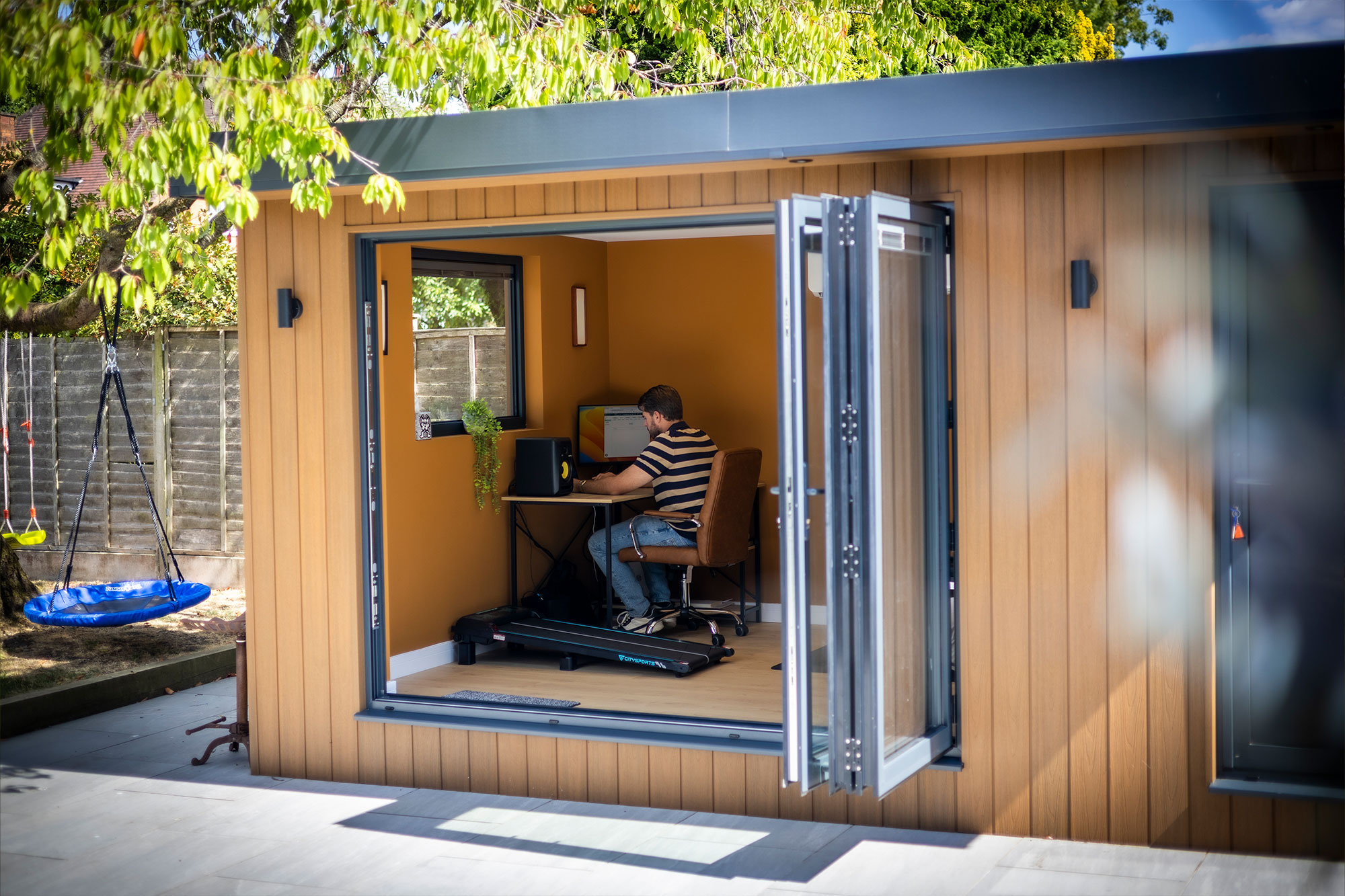
Ideally, you'll have a dedicated space that can be used for work. A spare room that can be transformed into an office, a corner of your bedroom, or even the space under the stairs. This is why a garden office is ideal - dedicated space, without using up existing room in your home.
Whatever options you have available, try and choose somewhere quiet, private and comfortable. Pick somewhere with good internet connection, a suitable background for video chat meetings, and no chance of family members or housemates popping in and out to distract you.
If you can, choose a space you can close the door on. Being able to physically shut work away at the end of the day is one of the simplest ways to protect your evenings - and one of the hardest things to do when your desk is the kitchen table.
Set up your workstation
You're unlikely to feel very productive if you work whilst lounging around on your bed or sofa, but it can also cause health problems too.
Slouching or slumping can cause discomfort in the neck, back, shoulders and wrists. If you're doing this for an extended period, then you could develop long-term problems.
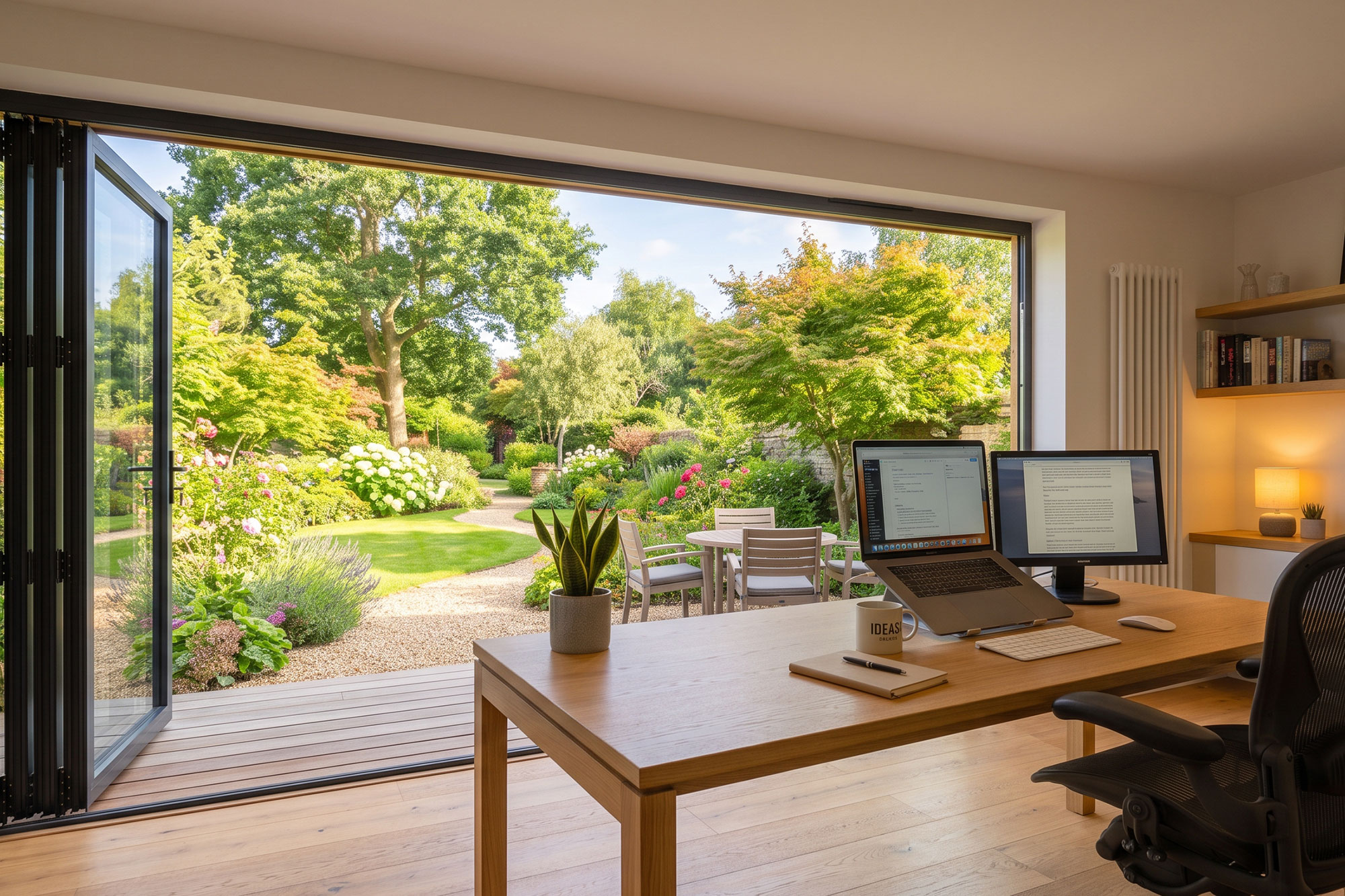
Set up a proper workstation starting with a desk and comfortable chair. Position your monitor at eye-level - if your desk is too low, you can buy laptop stands or just use a good old-fashioned stack of books to sit it on.
If you are working from a laptop, you might find it useful to invest in a separate keyboard and mouse so you can get your wrists in a comfortable position.
Make sure you've got adequate lighting too - you don't want to get eye strain or headaches from trying to work in poor light.
Everything you need for a day at work should be within reach at your desk - laptop, notepad, pens, work phone, etc. This means when the workday begins, you'll feel organised and ready to get going.
As a quick ergonomic checklist, aim for:
Feet flat on the floor (or on a footrest), with knees at roughly hip height.
Your lower back supported by the chair, rather than perching on the front edge.
The top of the screen at or just below eye level, about an arm's length away.
Elbows close to your sides and wrists straight when typing.
Light falling across the desk from the side, rather than glaring on the screen from behind it.
Get dressed
If you potter around in your PJs all day, you're much more likely to feel tired, lazy and ready to crawl back into your bed. Get up at your usual time and get ready for work as though you're really going in.
You don't necessarily have to put a suit and tie on every day, but getting dressed can help you get into the right headspace and feel more productive.
Plus, it means any spontaneous Zoom meetings won't catch you off guard in your dressing gown and slippers!
Build routines
When we have to be at work at a set time, we know what time we have to get up, and what time to leave the house. Working from home, especially if you don't have set hours, can mean routines go out the window.
But having a set routine and building good habits can make you more productive. Try and get up at the same time each day, have a good breakfast, or at least plenty of water, get ready and then log on at a set time.
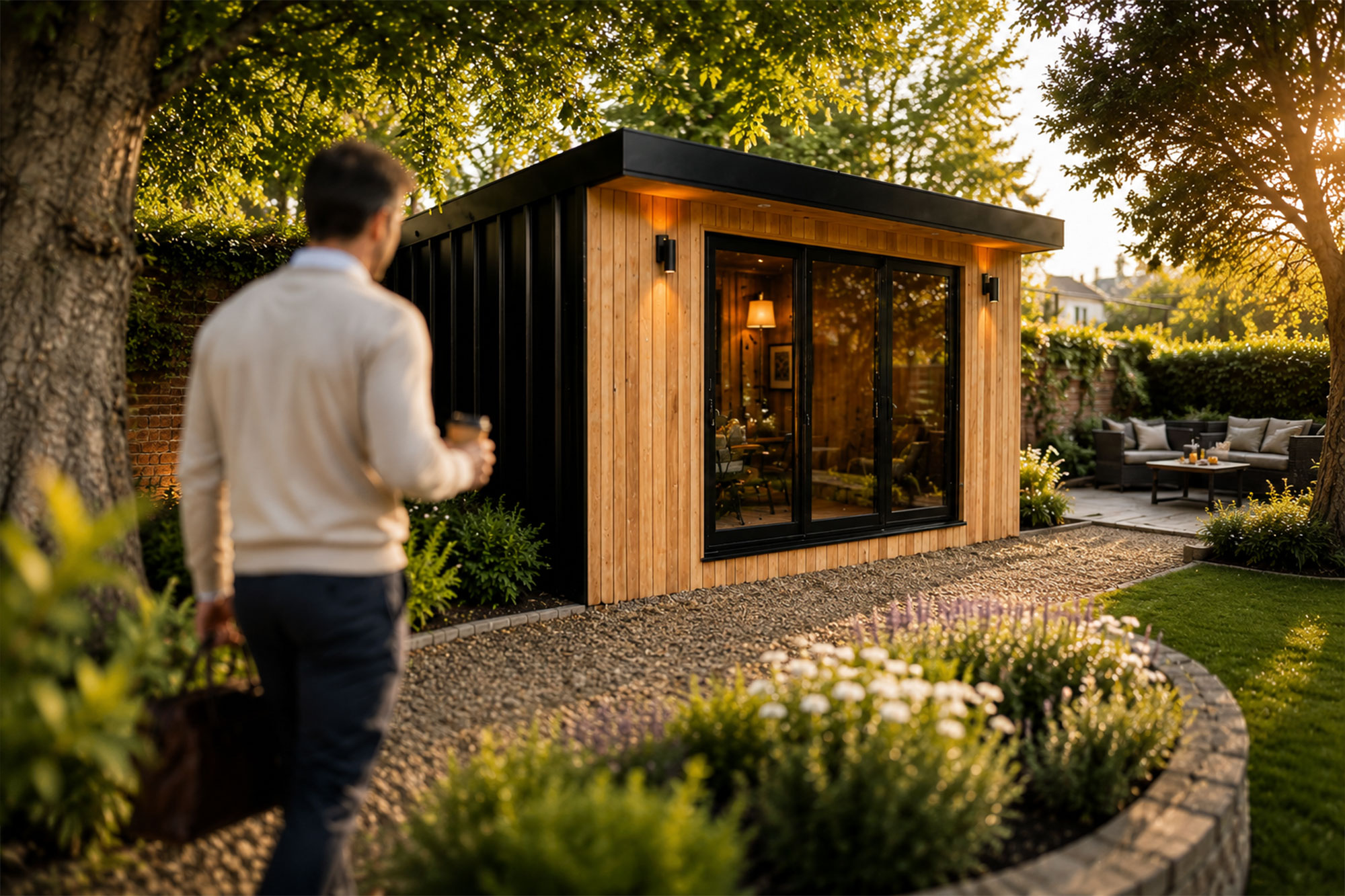
Some people find it helpful to go for a walk before starting. Even just a quick walk around the block can make it feel like you are leaving the house and then arriving at work. You can do this at the start and the end of the day as your 'work commute'.
Give yourself regular breaks
Although you aren't in the office, it's important you still give yourself regular breaks and stay hydrated.
Give your eyes a rest from the screen and stretch your legs every hour or so. Going for a little walk up and down the stairs or doing a few star jumps can get your blood flowing and wake you up. Even doing a quick household chore, such as emptying the dishwasher can give you the break you need.
And make sure you drink plenty of water and don't skip lunch - it's easy to forget to eat when you're busy, but you need to keep your energy up. That doesn't mean snacking on biscuits all day though!
Get connected: broadband, power and video calls
Nothing derails a working day like a dropped connection. If your Wi-Fi struggles to reach your workspace, a wired connection, a mesh Wi-Fi system or a powerline adapter can make a big difference - and for a garden office, it's worth planning a hardwired data cable from the house at the design stage.
These are easy to integrate into a garden room at the design stage.
Think about power too. Count how many devices you'll plug in - laptop, monitor, phone charger, lamp, printer, heater - and make sure there are enough sockets where your desk will actually go, with cable management to keep things tidy and safe.
If you spend a lot of time on video calls, sit facing a window or a soft light rather than with a bright window behind you, which leaves your face in shadow. A tidy shelf, a plant or a plain wall makes a more professional backdrop than an unmade bed or a pile of laundry.
Keep it comfortable: temperature, air and noise
It's hard to concentrate when you're too cold, too hot or constantly interrupted. A comfortable working temperature, fresh air and a reasonably quiet space all make a noticeable difference to how much you get done.
Open a window or use ventilation to stop the room getting stuffy, especially on long days, and keep a simple heater or fan to hand for the colder and warmer months. If noise is a problem, a rug, curtains and soft furnishings help absorb sound, and a good pair of noise-cancelling headphones can rescue your focus during the school holidays.
Get your own garden office
Working from home can make it difficult to switch off at the end of the day, especially if you don't have a completely separate space. If you are going to be working from home long-term, then you might want a more permanent solution than the dining room table.
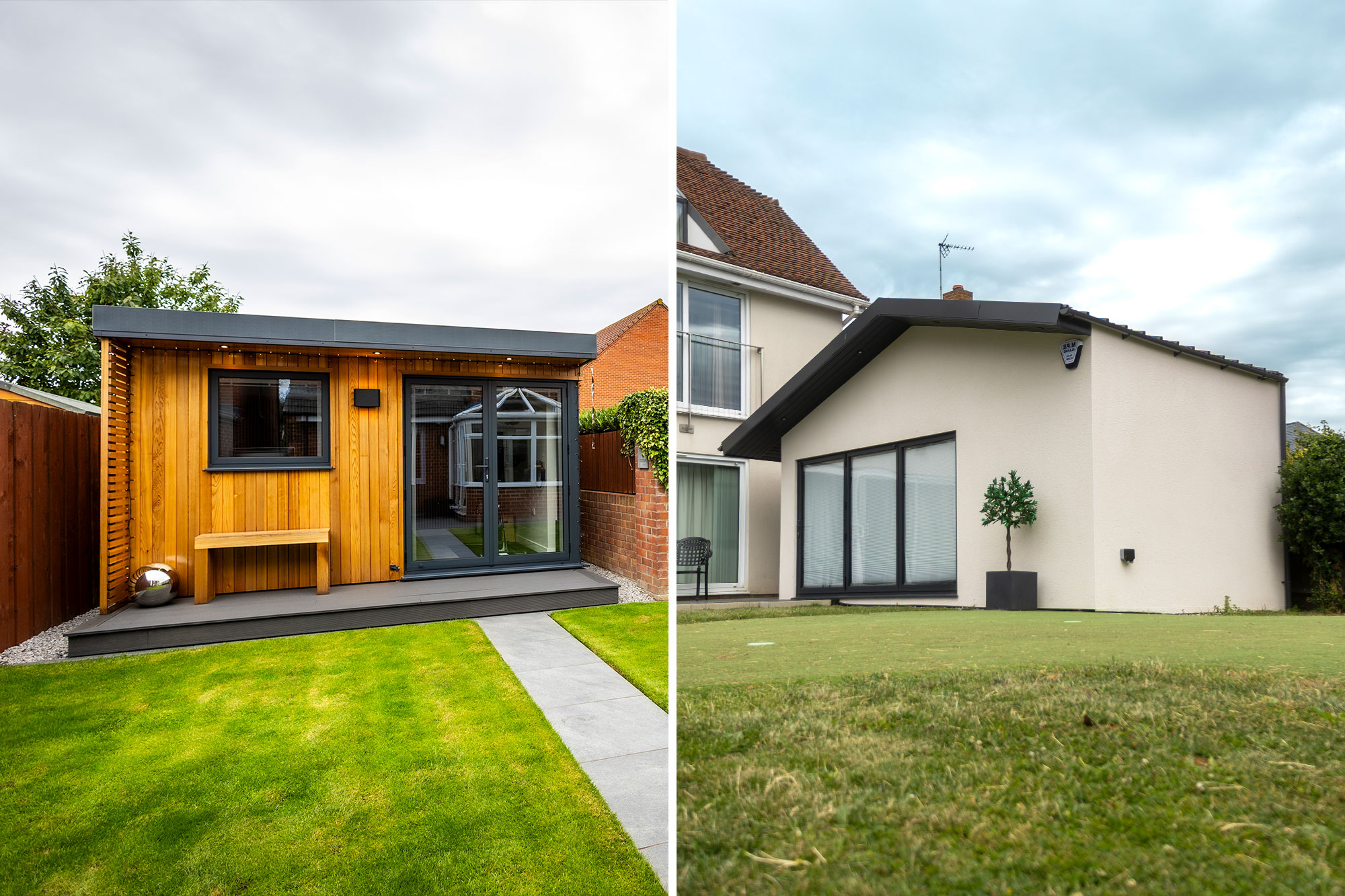
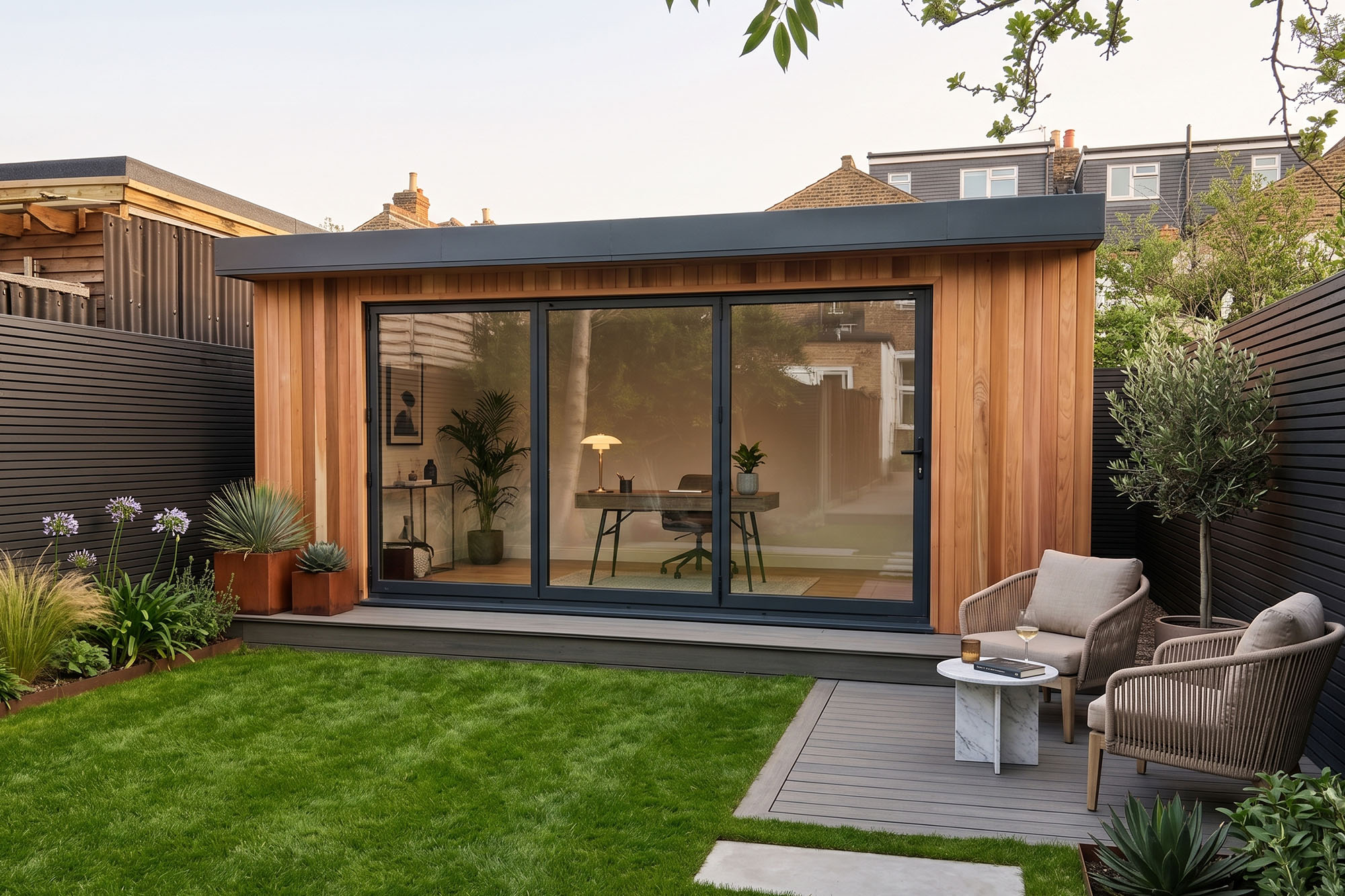
Our garden offices are perfect for separating work from home. The feeling of going into the office puts you in the right mindset to be productive. Leaving the office at the end of the day allows you to switch off from work and enjoy your leisure time.
We build garden rooms of all shapes and sizes. And we can include a range of features that make your home office as productive as possible, including whiteboard walls, storage space, hardwired Wi-Fi, temperature control and more.
Get your perfect office designed and built the way you want it.
For a garden office you'll use every working day, insulation is essential - it's the difference between a room that's comfortable in January and one you abandon until spring. As a guide, entry-level insulated garden offices typically start from around £8,500-£12,500 depending on size and specification, while Tiger Modular's Certus range - with 200mm insulated walls, double glazing and heating fitted as standard - starts from £19,919 for a 3x3m room. For more design inspiration, see our garden office ideas guide.
A garden office used for your own work usually falls under permitted development, but it's worth checking our garden room planning permission guide - particularly if clients or staff will be visiting.
Common Questions
Choose a quiet, dedicated space you can close the door on, set up a proper ergonomic workstation with good lighting, and build a routine that includes getting dressed, set start and finish times and regular breaks.
A desk and a supportive, adjustable chair, a monitor at eye level (or a laptop stand with a separate keyboard and mouse), good lighting, a reliable internet connection, enough power sockets and storage to keep your desk clear.
For many people, yes. A garden office creates a genuine separation between work and home, reduces household distractions, and makes it much easier to switch off at the end of the day.
Entry-level insulated garden offices typically start from around £8,500-£12,500 depending on size and specification. A premium option such as Tiger Modular's Certus range starts from £19,919 for a 3x3m room with insulation, glazing and heating included.
Usually not, if it's used for your own work and falls within permitted development limits. Running a business with staff or regular visitors can change this, so check the rules first.
Conclusion
A productive home office comes down to a few fundamentals: a quiet, dedicated space, a proper ergonomic workstation, reliable connectivity, and the routines and breaks that keep you focused and well. Get those right and working from home can be every bit as productive as the office - often more so. And if home working is here to stay for you, a garden office gives you the ultimate separation between work and home, just a few steps from your back door.
Tiger Modular are UK leading designers, manufacturers and installers of garden offices and stuidos. If you'd like to book a no-obligation design consultation, contact our friendly team.
Design your perfect garden office
A dedicated space to switch on - and switch off. Explore our garden offices and design yours.